
The Hidden Behaviors That Quietly Shape Every Organization

Why even accomplished leaders can unintentionally create Subtractor influence.
Leadership is rarely defined by one significant decision.
More often, it’s shaped by the small behaviors we repeat every day.
The conversations we avoid.
The assumptions we make.
The pressure we unintentionally pass to others. The way people feel after spending time with us.
These moments quietly shape culture long before they ever appear on a performance report.
That’s why exceptional leaders don’t simply evaluate results. They regularly evaluate the influence they’re creating. Because every interaction either strengthens the people around them or slowly diminishes them.
This is where Subtractor influence often begins.
Not through poor intentions. Through unnoticed behaviors.

1. When Leadership Becomes Isolated
As organizations grow, so does the weight of leadership. More decisions require your attention.
More people depend on your judgment.
More responsibility rests on your shoulders.
Without realizing it, successful leaders can become increasingly isolated.
Perspective narrows. Honest conversations become less frequent.
Feedback becomes filtered.
Isolation rarely weakens leadership overnight.
It quietly limits the perspective needed to continue leading well.
The strongest leaders intentionally remain connected to the people and perspectives that keep them grounded.

2. When Performance Begins Replacing People
Growth creates pressure. Pressure creates urgency.
And urgency can unintentionally shift our focus from developing people to simply driving results.
The most successful organizations achieve both.
People who feel seen, valued, and understood don’t simply perform better.
They become more engaged, more accountable, and more committed to the mission. Culture is strengthened by one conversation at a time.

3. When Trust Begins to Erode
Trust rarely disappears all at once.
It fades through small moments.
Inconsistent communication.
Hidden agendas.
Unclear expectations. Promises left unfinished. Over time, uncertainty replaces confidence. Exceptional leaders understand that trust is one of the greatest assets an organization possesses.
It must be protected intentionally.

4. When Success Stops Teaching
Success is something to celebrate.
It should never become a reason to stop learning.
Every season of growth demands a different level of leadership.
The strategies that created yesterday’s success may not produce tomorrow’s.
Leaders who remain curious continue to grow.
Organizations led by lifelong learners continue to evolve.
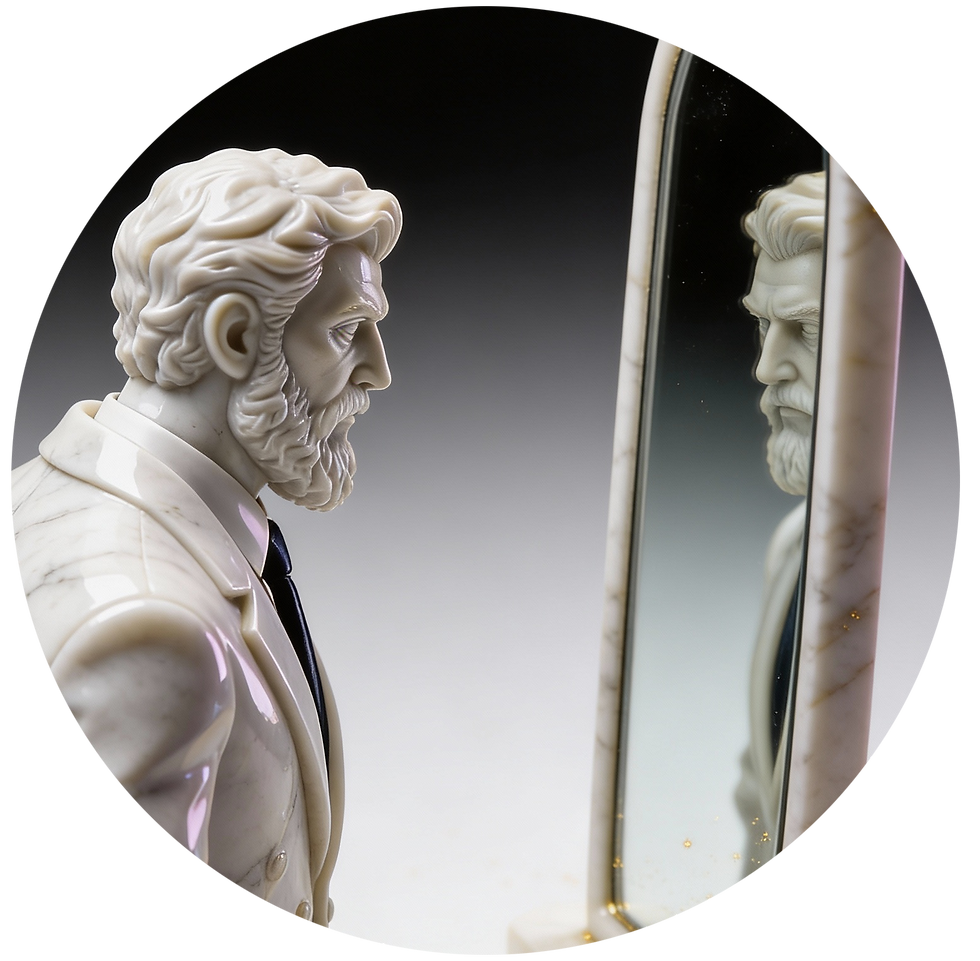
A Leadership Reflection
Every leader influences culture.
The question is never whether we’re influencing.
The question is…
What are we consistently multiplying in the people around us?
Because subtraction rarely begins with poor intentions. It begins with unnoticed behaviors.
And what remains unnoticed eventually becomes normalized.
Leadership isn’t about perfection.
It’s about having the humility to recognize the influence we create every day.
Before evaluating the people around you, begin by reflecting on your own influence.
Do people consistently leave your presence with greater confidence, greater ownership, and greater clarity… or less?
Sometimes the greatest opportunity for organizational growth isn’t found in changing your people.
It’s found in strengthening the influence that shapes them.
Because every thriving organization begins with leaders who choose to lead to their full potential.


Comments